


Little Lunches - Meal Planning
3.739.00 Reviews
App Specs
- Version
- 2.2.70
- Updated On
- License
- Free
- Downloads
- 100,000+
- Developer
- Little Lunches
- Categories
- Food & Drink
- Platform
- Android
Screenshots
 Analysis by AppCompare
When dinner planning becomes another decision to squeeze into an already busy day, I can see the appeal of Little Lunches. It’s a family-focused food and drink app from Little Lunches, built around meal planning and shopping rather than calorie tracking or restaurant discovery. I find that focus useful: the goal is to make it easier to decide what the household will eat and turn those decisions into a practical grocery run.
How it fits into family meal planning
The app is free to download, with in-app purchases ranging from $4.99 to $49.99 per item. It has an Everyone age rating, an average rating of 3.7 from around 2,300 ratings, and over 100,000 installs. Those figures suggest a well-used option, though the rating is a reminder that a meal-planning routine is personal: the app can help organize decisions, but it cannot make every recipe suit every family.
At its best, this kind of tool helps at the point where planning usually breaks down: moving from “we should cook more” to knowing what to make and what to buy. I’d approach it as a planning aid, not as a substitute for a dietitian or a guarantee that a child will accept a new dish. Families with specific nutritional needs should still use their own judgement when choosing meals.
Why Little Lunches Stands Out
The first thing that struck me about Little Lunches is how easy it is to navigate. You know how some apps feel like they require a manual just to get started? Not the case here. The user interface is super intuitive, and before you know it, you're diving right into planning your meals for the week.
Features That Make Life Easier
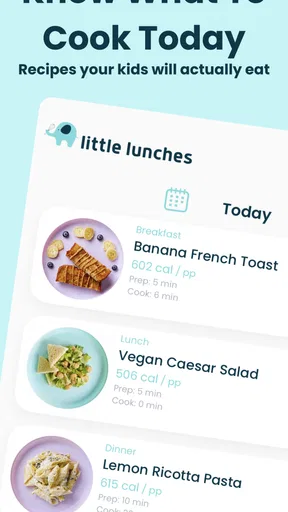
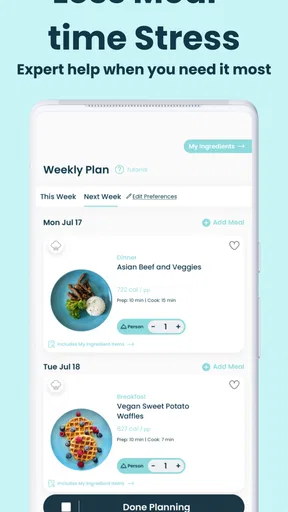
One of the coolest features is the customizable meal plans. Whether you’re dealing with picky eaters or trying to stick to a dietary plan, Little Lunches has got you covered. You can input dietary restrictions and preferences, and the app churns out meal ideas that fit your needs. It’s like having a personal nutritionist in your pocket!
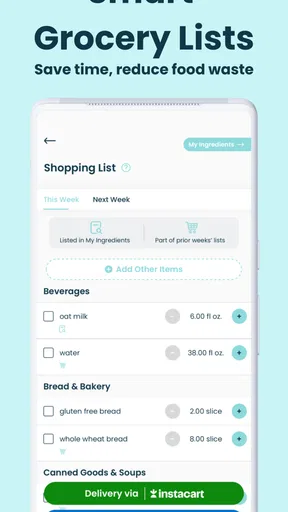
Another feature I love is the grocery list generator. As someone who’s notorious for forgetting the most crucial ingredient (yes, I’ve made pasta without pasta), this feature is a lifesaver. It takes the meal plans you've created and automatically generates a shopping list. No more wandering aimlessly through the grocery aisles.
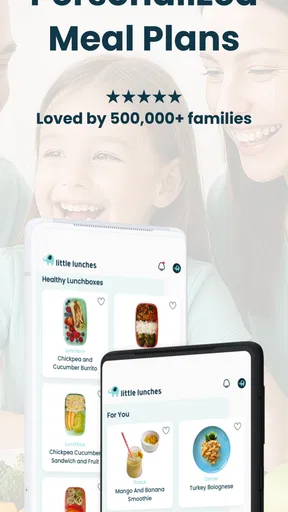
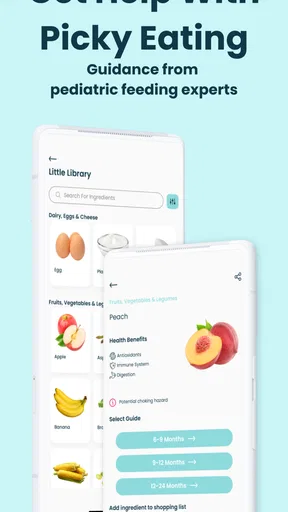
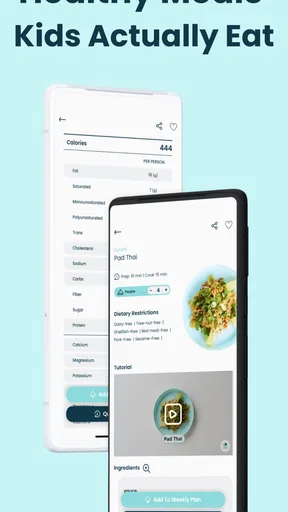
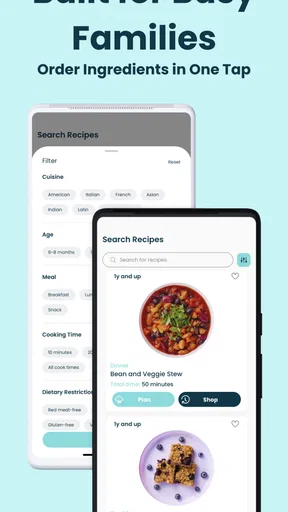
Let’s not forget about the recipe library. It’s packed with ideas that are both healthy and kid-friendly. I’ve tried a few recipes myself, and they’ve been hits at the dinner table. It’s a nice mix of familiar favorites and new dishes to try out, so it keeps things interesting.
Worth Reading Before You Choose

Flipboard Shows What News Apps Must Do Beyond the Feed

Switching to Android Auto Means Rethinking Your Driving Routine

Google Calendar Makes a Crowded Week Easier to Manage

Ludo King Makes the Most of the Minutes Between Plans

Baby Panda World Brings Quick Play to Modern Phones, but Its Game Library Feels Busy

ESPN’s Live Game View Makes Following Close Games Easier
Making the plan work in a real week
The biggest practical win is being able to plan around the shape of a family’s week, rather than treating every evening as an identical cooking slot. I’d start by putting the most demanding meals on evenings when there is time, then use simpler choices on days crowded with school, work, or activities. That small planning decision matters more than filling every day with an ambitious new recipe.
For example, imagine getting home late after an activity with a child who is hungry and not in the mood for an unfamiliar dinner. A useful plan is one that has already accounted for that evening: choose something familiar, make sure its ingredients are on the list, and leave more experimental cooking for another day. The app can help organize the plan, but the parent still needs to decide which meals fit the family’s actual schedule and appetite.
A less obvious way to use a meal planner is as a conversation starter. Letting a child help choose between a familiar dish and one new idea can make the plan feel less imposed. I would keep the choice narrow instead of asking an open-ended “what do you want?”—that keeps the weekly menu manageable while giving a picky eater some say. The app’s family focus makes this sort of routine a natural fit, even though no plan can promise a child will eat what is served.
User Experience: Smooth Sailing
What I really appreciate about this app is its seamless integration with my calendar. I can sync the meal plans with my calendar app, which helps me keep track of what’s on the menu each day. It’s incredibly handy, especially when you’re balancing work, school schedules, and extracurricular activities.
Another thing that’s worth mentioning is how the app handles updates and new features. The developers seem to be on top of things, regularly rolling out updates that improve functionality and add new features. It’s always nice to see an app that’s actively maintained.
Where it differs from a notebook or a recipe search
A paper list or a shared note can be more flexible if all you need is somewhere to jot down meals and ingredients. Searching the web for recipes also gives you a broad range of ideas, but it leaves you to decide how those ideas fit together and what to buy. Little Lunches is more appealing when you want those tasks connected: meal choices, a family-oriented recipe collection, and a grocery list in one planning flow.
That convenience has a trade-off. A generated list is only as useful as the plan behind it, so I’d review it before shopping rather than treating it as an unquestionable checklist. Check what is already in the pantry, remove anything you do not need, and make sure the chosen meals still suit the week. This quick pass helps avoid buying duplicates or committing to a dish that no longer fits the schedule.
Families with complicated dietary requirements may also prefer a more specialized nutrition tool or advice from a qualified professional. The app is aimed at practical family meals; I would not rely on a meal suggestion alone to manage a medical diet. Likewise, someone who enjoys making plans from scratch may find a dedicated app adds steps rather than removing them.
Little Things That Make a Big Difference
One small, but super handy feature is the ability to save your favorite meals and recipes. It’s perfect for those weeks when you don’t have the energy to think up a new plan. Just pull up your favorites and you’re good to go. It’s like having a go-to playlist of meals!
There’s also a community aspect to the app. You can connect with other users to share tips, recipe ideas, and even troubleshoot any meal-planning woes. It’s a friendly space, and it’s always reassuring to know you’re not alone in the daily dinner struggle.
Small checks that prevent planning friction
One useful habit is to treat saved favorites as a starting shelf, not as a complete plan. Reusing meals can reduce the effort of deciding, but repeating the same few dishes too often can make the routine stale. I’d pair familiar favorites with one new option when the week allows, then keep the rest flexible. That gives a family variety without turning meal planning into a separate hobby.
It is also worth thinking about who does the shopping and who chooses the meals. If those jobs are shared, a clear plan and list can reduce the “what are we making?” messages that tend to arrive at the least convenient moment. If only one person uses the app, they may still need to communicate the plan to everyone else. The tool can organize information, but it cannot ensure that the whole household checks it.
The app is currently at version 2.2.70, and it first appeared on October 5, 2021. That gives existing users a concrete sense of its history and current release, but a version number alone does not tell me exactly which features changed between releases. I would judge any new version by whether it makes the everyday loop—choosing meals, fitting them into the week, and shopping for ingredients—more reliable, rather than assuming that a higher number automatically means a better fit.
Who will get the most from it
I’d recommend trying Little Lunches if you regularly cook for children, want family-friendly ideas, and find grocery planning more tiring than the cooking itself. It is particularly suited to someone who wants a nudge toward a weekly routine but does not want to build a menu and shopping list entirely from a blank page. A caregiver who handles meals for several people may also appreciate having a central place to organize decisions.
I would skip it if you mostly eat out, already have a meal system that works smoothly, or need highly technical nutrition tracking. It may also be the wrong fit if you expect the app to remove all the judgement calls: families still need to adapt plans to food preferences, available time, ingredients on hand, and changing schedules. The free entry point makes it reasonable to explore, but the in-app purchases mean I’d check what is included before deciding whether paid options are worthwhile for my routine.
Final Thoughts: A Must-Try for Busy Families
Overall, I’d say Little Lunches is a game-changer for anyone looking to simplify meal planning. It takes the stress out of deciding what to cook and makes grocery shopping more efficient. If you’re juggling a busy schedule and looking for a way to streamline your meal prep, this app is definitely worth a try.
Whether you’re a seasoned meal planner or a newbie, Little Lunches is designed to make your life a whole lot easier. So why not give it a whirl? You might just find it becomes an indispensable tool in your daily routine.
What I’d watch as I keep using it
For an existing user, the meaningful test of future changes is whether the app remains convenient for the actual household, not whether it simply offers more choices. I’d look for a smoother path from a chosen meal to a usable shopping list, and for updates that preserve the simple planning experience that makes the app approachable. Those are expectations, not claims about what a future release will contain.
Before settling into a routine, I’d also try a short planning cycle rather than mapping out an entire month. Choose a few meals, check how the list fits a real grocery trip, and notice whether the recipes and schedule work for the people who will eat them. If that process saves time without creating extra list-editing, the app is doing its job. If you find yourself constantly correcting the plan, a shared note or your own established method may be better.
My overall view is positive, with a practical caveat: this is most valuable when a family wants structure and ideas, not when it needs a specialist nutrition service or a fully automatic answer to dinner. Used as a flexible organizer—especially with a quick review of the week and shopping list—it can make family meal planning feel more deliberate and less last-minute.
Pros
- User-friendly interface enhances usability.
- Custom meal plans for varied dietary needs.
- Integrates seamlessly with grocery lists.
- Nutritional info for each meal is detailed.
- Frequent updates with new recipes.
Cons
- Limited customization for meal plans.
- Requires internet for most features.
- Some recipes need premium access.
- Occasional bugs in grocery list sync.
- Limited international cuisine options.
FAQs for Little Lunches - Meal Planning
What is Little Lunches - Meal Planning app used for?
Little Lunches - Meal Planning is designed to simplify the process of planning and preparing meals. It offers a variety of features that help users create weekly meal plans, generate shopping lists, and discover new recipes. It's perfect for busy individuals and families looking to maintain a balanced diet without the stress of daily planning.
Is the app suitable for all dietary preferences?
Yes, Little Lunches - Meal Planning accommodates a wide range of dietary preferences and restrictions. Users can customize their meal plans to include vegetarian, vegan, gluten-free, and other dietary options. The app also allows for ingredient substitutions to ensure that all meals align with individual dietary needs.
Does Little Lunches offer a free version?
Little Lunches - Meal Planning provides a basic free version with limited features. However, for full access to all features, such as advanced meal planning tools and exclusive recipes, users can opt for a premium subscription. The premium version enhances the user experience by offering more customization options and a wider variety of recipes.
How user-friendly is the app for beginners?
The app is highly user-friendly, designed with a clean interface and intuitive navigation. Beginners will find it easy to set up their profiles, create meal plans, and explore the app's features. Additionally, there are tutorials and customer support available to assist users in getting the most out of their meal planning experience.
Can Little Lunches help save time and reduce food waste?
Absolutely. By providing structured meal plans and precise shopping lists, Little Lunches - Meal Planning helps users efficiently manage their grocery shopping, reducing impulse buys and food waste. The app encourages users to plan meals ahead, ensuring ingredients are used wisely and meals are prepared quickly, saving both time and resources.


